
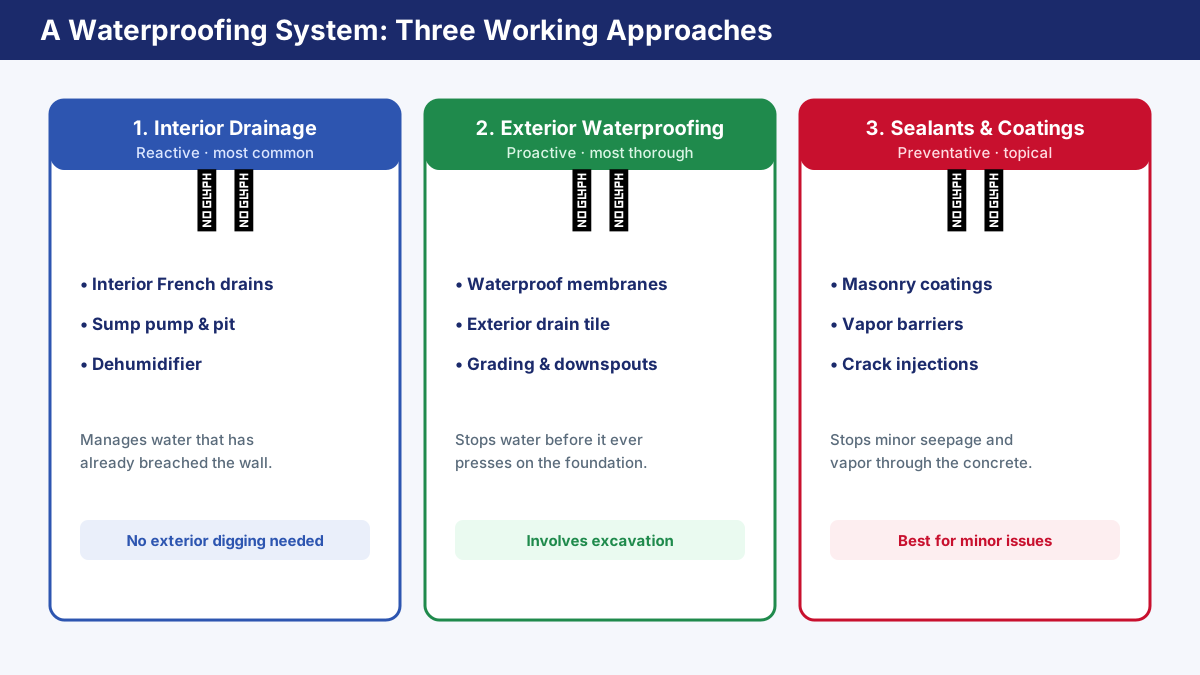
A basement waterproofing system is a combination of techniques, materials, and equipment designed to keep water from penetrating a foundation — and to remove any moisture or water that does get inside. Working together, these components protect a home from structural damage, mold growth, and poor indoor air quality. Rather than a single product, it's a coordinated system, and it generally falls into three main approaches.
1. Interior Drainage and Removal (Reactive)
This is the most common and cost-effective system because it doesn't require digging up the landscaping outside the house. Instead, it manages water that has already breached the foundation.
- Interior French drains: A trench is dug around the inner perimeter of the basement floor to capture wall and floor seepage.
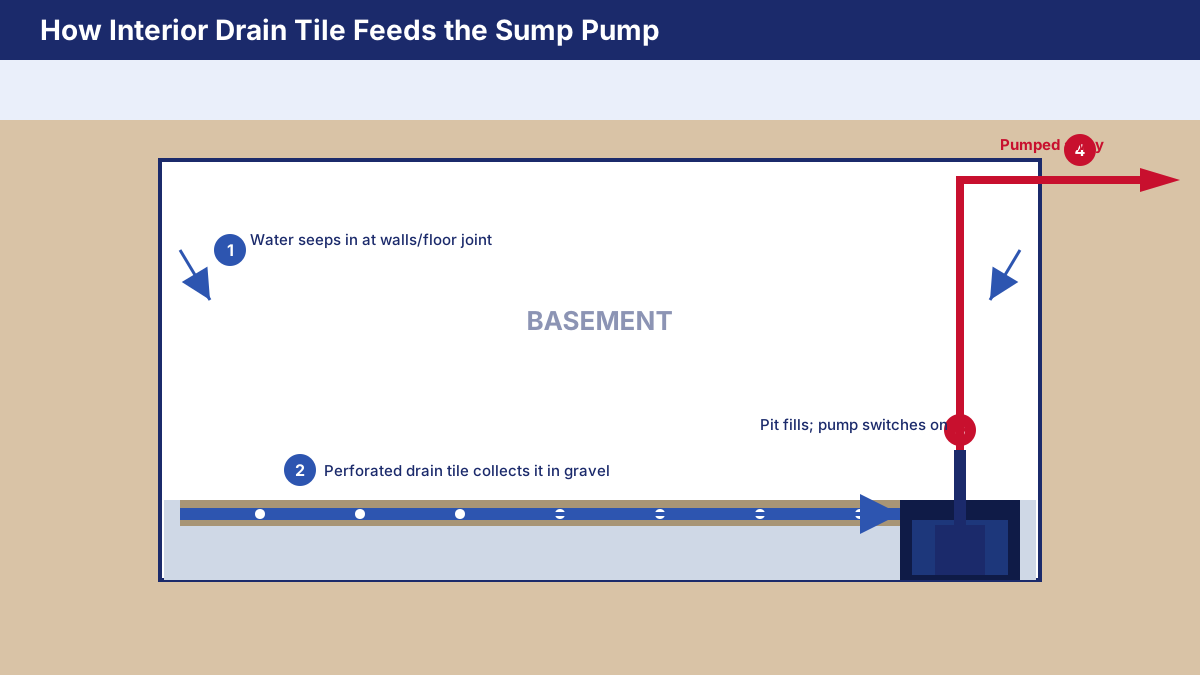
- Sump pump: The drainage channels route collected water to a pit, and the sump pump automatically pushes it safely outside and away from the foundation.
- Dehumidifier: Removes any ambient dampness or high humidity that drainage alone can't address.
Here is how those interior drain tile systems collect water from the foundation walls and redirect it toward the sump pump, step by step:
2. Exterior Waterproofing (Proactive)
Exterior systems stop water before it touches or presses against your foundation. This approach often involves heavy excavation, but it is highly effective and addresses the problem at its source.
- Waterproofing membranes: Heavy-duty rubberized coatings or physical sheets applied to the exterior foundation walls.
- Exterior drain tile: Perforated pipes laid around the exterior footing of the home to collect groundwater and redirect it away.
- Grading and downspouts: Ensuring the ground slopes away from the house and that gutter downspouts extend several feet from the foundation.
3. Interior Sealants and Coatings (Preventative)
These are topical applications meant to stop minor water seepage and vapor from passing through concrete. They work best for small problems or as a complement to a drainage system — not as a cure for serious water intrusion.
- Masonry coatings: Specialized waterproof paints applied to interior walls.
- Vapor barriers: Heavy plastic sheets applied over walls or the subfloor to block moisture, typically used in unfinished basements.
- Crack injections: Polyurethane or epoxy resins injected directly into structural cracks to physically plug leaks.
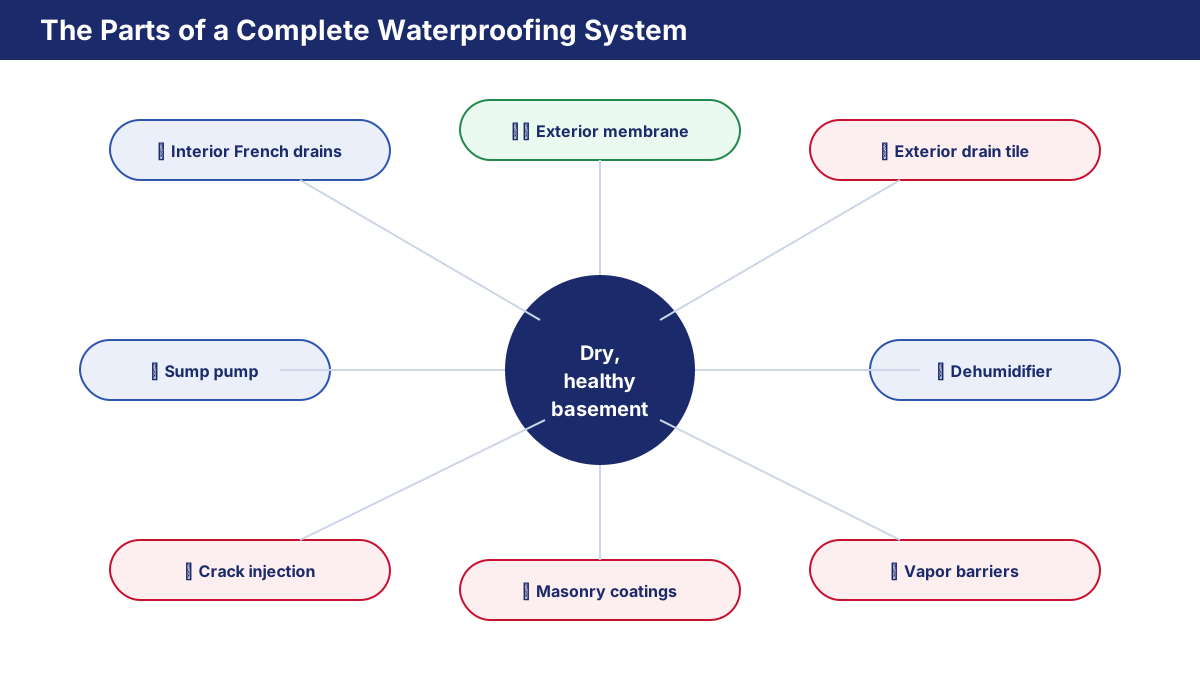
Most homes don't need every component — the right system depends on where the water is coming from, how the foundation is built, and your budget. A licensed contractor diagnoses the source first, then designs the combination of drainage, exterior protection, and sealing that fits your specific basement.
Submit a Job Request
Once you submit a job request, we'll connect you with the ideal licensed contractor for your situation. They'll reach out within 1–3 business days with a free, no-obligation estimate.
Submit Job Request