
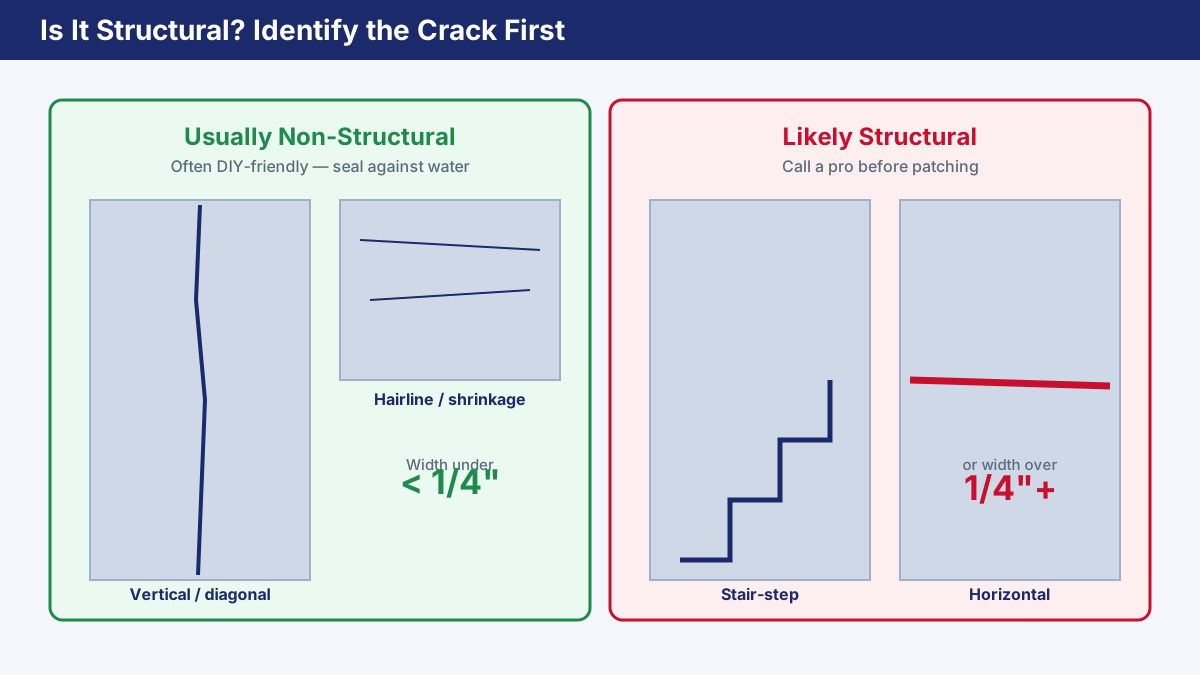
To repair basement wall and floor cracks, first determine whether the crack is structural (stair-step, horizontal, or wider than ¼ inch) or non-structural. For non-structural leaks and hairline cracks, use polyurethane or epoxy injection kits on walls and hydraulic cement or masonry caulk on floors. Structural cracks — especially horizontal or stair-step patterns — signal foundation movement and should be evaluated by a professional before you patch over them.
Repairing Basement Wall Cracks
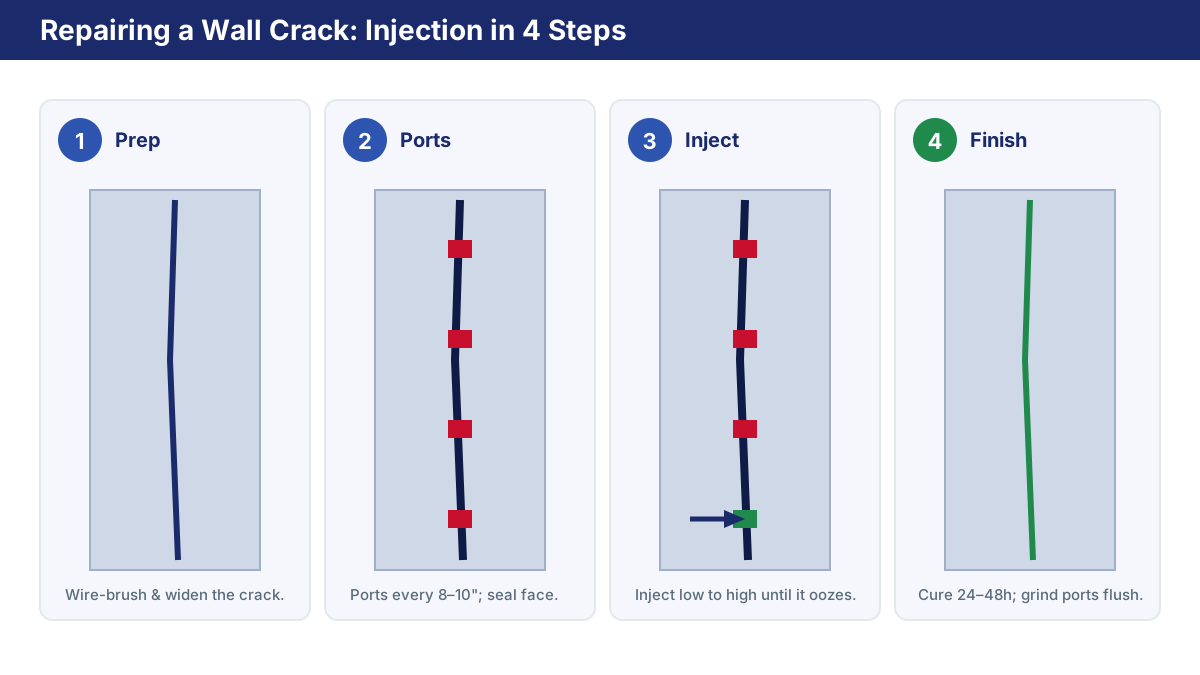
For vertical or diagonal cracks in poured concrete walls, the most effective DIY repair is low-pressure polyurethane foam or epoxy injection, which seals against water, radon, and soil gases from the inside.
- Prep the crack. Clean the crack completely using a wire brush. If there is loose debris, use a cold chisel to slightly widen the crack and create a better bonding surface for the patch material.
- Apply injection ports. Use a two-part epoxy paste to apply and space injection ports along the crack every 8 to 10 inches. Smear the same epoxy paste directly over the crack between the ports to seal the surface, leaving the port holes open. Allow this to cure for 24 hours.
- Inject the resin. Using a standard caulking gun, inject polyurethane or epoxy resin into the lowest port. Once the resin starts oozing out of the port above it, plug the first port and move to the next, working your way up to the top.
- Cure and finish. Let the injected material cure (usually 24–48 hours). Afterward, knock off the protruding ports and sand or grind the cured epoxy flush with the wall.
For concrete block (cinder block) walls, the approach is different: inject expanding structural foam into the hollow interior of the block, and cap the crack on the outside with hydraulic cement.
For a visual step-by-step guide on applying epoxy resins and injection ports to concrete cracks, watch this This Old House demonstration:
Repairing Basement Floor Cracks
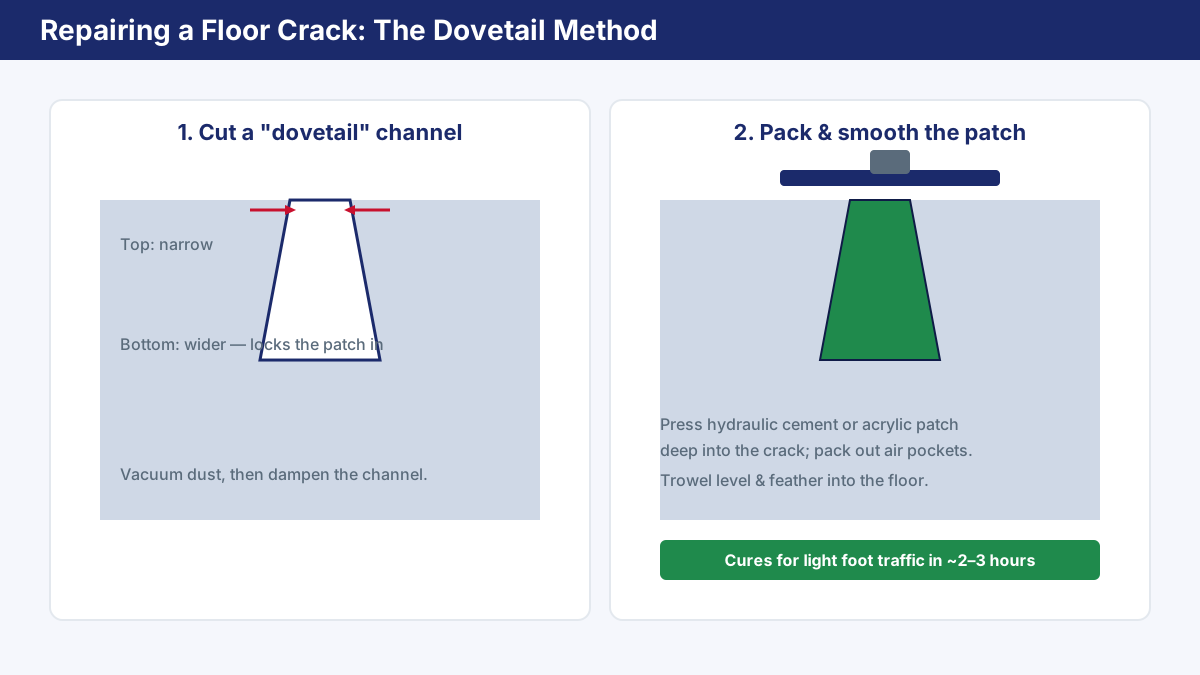
Floor cracks are usually non-structural — the result of concrete shrinking as it dries. These are easy to fix with premixed masonry leveler or hydraulic cement.
- Clean and widen. Use a hammer and cold chisel to widen the crack slightly so it is wider at the bottom than at the top. This creates a "dovetail" shape that locks the new patch in place. Thoroughly vacuum all dust and loose debris.
- Dampen the area. Lightly spray or wipe the channel with water so the dry concrete slab doesn't pull moisture out of the patching compound too quickly.
- Apply the patch. Press hydraulic cement or a premixed acrylic concrete patch deeply into the crack using a margin trowel. Pack it tightly to remove air pockets.
- Smooth and feather. Use your trowel to smooth the patch level with the surrounding floor. Let it cure per the manufacturer's directions — usually 2 to 3 hours for light foot traffic — before walking on it.
When to Call a Professional
DIY injection and patching work well for stable, non-structural cracks that weep during heavy rain. But some signs mean it's time to bring in a licensed contractor:
- Horizontal cracks, or stair-step cracks in block walls
- Any crack wider than ¼ inch, or one that keeps growing
- Walls that bow, lean, or shift
- Cracks that leak heavily or recur after patching
To point you to the right fix, it helps to know: What is the width and pattern of the cracks (vertical, horizontal, or stair-step)? Is your foundation poured concrete or block/masonry? And are the cracks leaking water during heavy rain? A professional inspection answers all three and confirms whether a simple seal or a structural repair is the safe path forward.
Submit a Job Request
Once you submit a job request, we'll connect you with the ideal licensed contractor for your situation. They'll reach out within 1–3 business days with a free, no-obligation estimate.
Submit Job Request