
To dry a wet basement floor fast, pump out all standing water immediately, then run at least one high-powered dehumidifier alongside two or more high-velocity fans — most basement floors are surface-dry within 24 hours and fully dry within 48 to 72 hours using this method.
The key is acting within the first few hours. Mold can begin forming on wet concrete and building materials in as little as 24 to 48 hours. The faster you remove the water and reduce humidity, the less structural damage you face and the lower your restoration costs.
Step 1: Remove All Standing Water First
Before fans or dehumidifiers can do their job, every drop of free-standing water must go. The right tool depends on how much water you have:
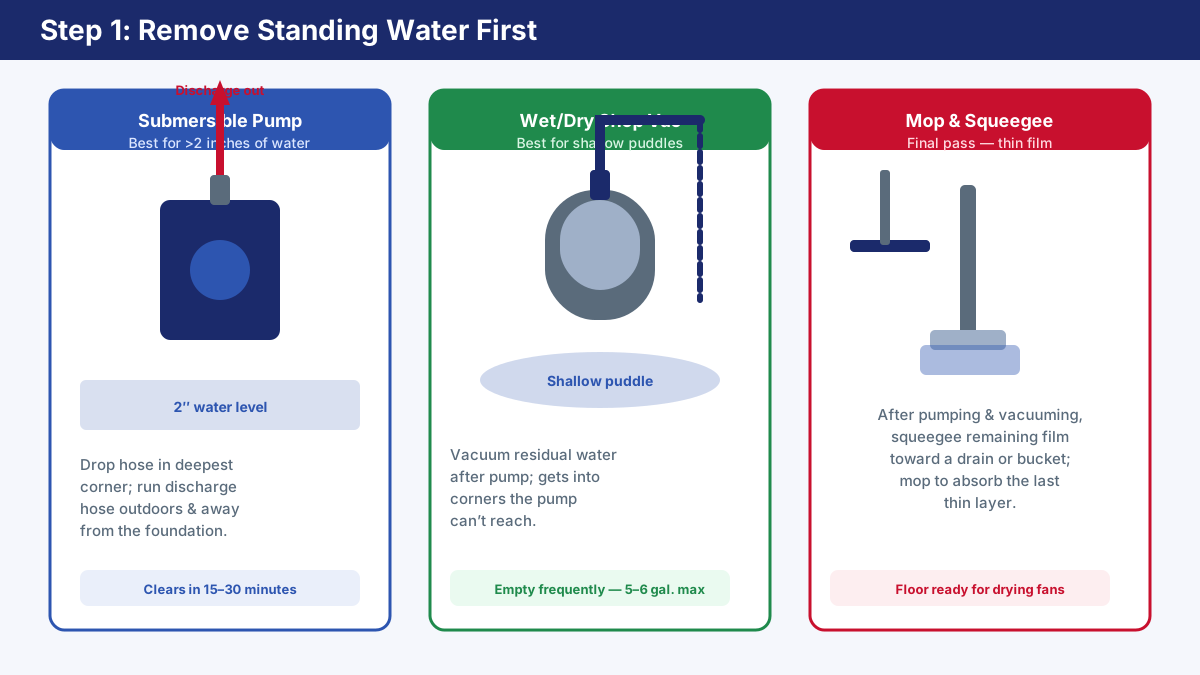
- Submersible pump — best when water is 2 inches deep or more. Drop the intake hose in the lowest corner of the floor and run the discharge hose out a window or door, directing water at least 10 feet from the foundation. A good pump clears a typical basement in 15–30 minutes.
- Wet/dry shop vac — best for puddles under 2 inches and for corners a pump can’t reach. Empty the tank every 5–6 gallons so suction doesn’t drop.
- Squeegee and mop — after pumping and vacuuming, use a floor squeegee to push residual film toward a drain or bucket, then mop up the last thin layer. This gets the floor ready for fans.
Safety first: Turn off electricity to the basement at the breaker panel before entering any flooded area. Do not wade through water if outlets, appliances, or electrical panels may be submerged.
Step 2: Set Up Fans and a Dehumidifier
Once the standing water is gone, your goal is to pull moisture out of the concrete, the walls, and the air. Fans alone just circulate humid air — you need a dehumidifier to actually extract it.
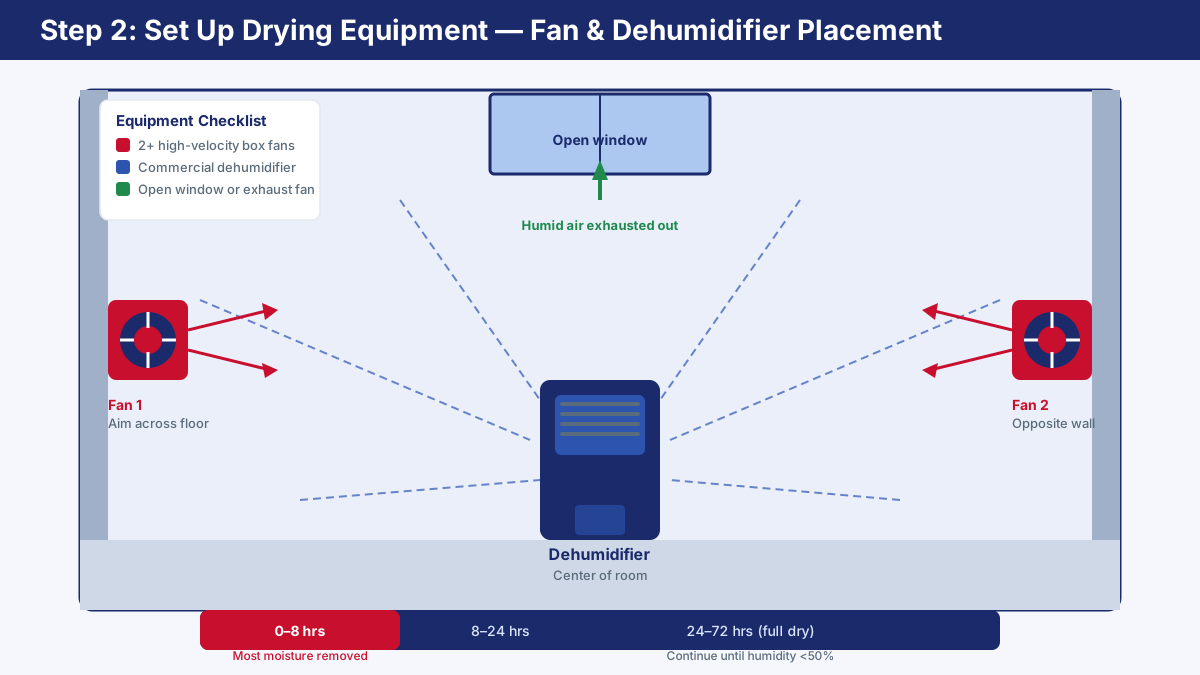
Fan placement
Position two or more box fans or industrial air movers on opposite sides of the room, aimed across the floor. Crossing airstreams evaporate surface moisture significantly faster than a single fan pointed in one direction. Angle them low so airflow skims the floor surface.
Dehumidifier placement
Set the dehumidifier in the center of the space where it can draw from the whole room. A standard 50-pint home dehumidifier works for minor wetness; for a flooded basement, rent or borrow a commercial 70–150-pint unit. Empty the collection bucket every 3–4 hours, or run a drain hose directly to a floor drain so it empties continuously.
Ventilation
If outdoor humidity is below 60% — common on breezy or dry days — open basement windows to exhaust humid air outside. In Virginia’s hot, humid summers, outdoor air is often wetter than your basement; on those days, keep windows closed and let the dehumidifier do the work.
How long to run equipment
| Timeframe | What’s Happening |
|---|---|
| 0–8 hours | Most surface moisture removed; floor feels dry to the touch |
| 8–24 hours | Deeper concrete layers releasing stored moisture |
| 24–72 hours | Full structural drying; humidity drops below 50% |
| 3–7 days | Required if drywall or wood framing absorbed significant moisture |
Step 3: Check for Damage and Mold
Once the floor is dry to the touch, inspect everything that got wet:
- Concrete floor and walls: Use a moisture meter to confirm moisture content is below 4%. The tape test also works — tape a 12“ square of plastic sheeting flat on the floor, seal all edges, and leave it 24 hours. Condensation on the underside means the slab is still releasing moisture upward.
- Drywall: Any drywall that absorbed water should be cut out and replaced — it will not fully dry without mold risk, and it loses structural integrity when wet.
- Insulation: Fiberglass batt insulation that got soaked must be removed and replaced; it compresses and loses R-value and never fully dries once saturated.
- Wood framing and joists: Check with a moisture meter; wood should read below 19% to be considered dry. Wet framing requires extended drying time and should be treated with a mold inhibitor.
- Mold: Look for black, green, or white spots on walls, joists, and stored items. Mold can begin in 24 hours. Small patches (under 10 sq. ft.) on hard surfaces can be treated with a diluted bleach solution; larger affected areas require professional remediation.
Step 4: Find and Fix the Source
Drying a wet basement floor is only half the job. If you don’t fix the source, the next rain or humid week will put you right back to the start.
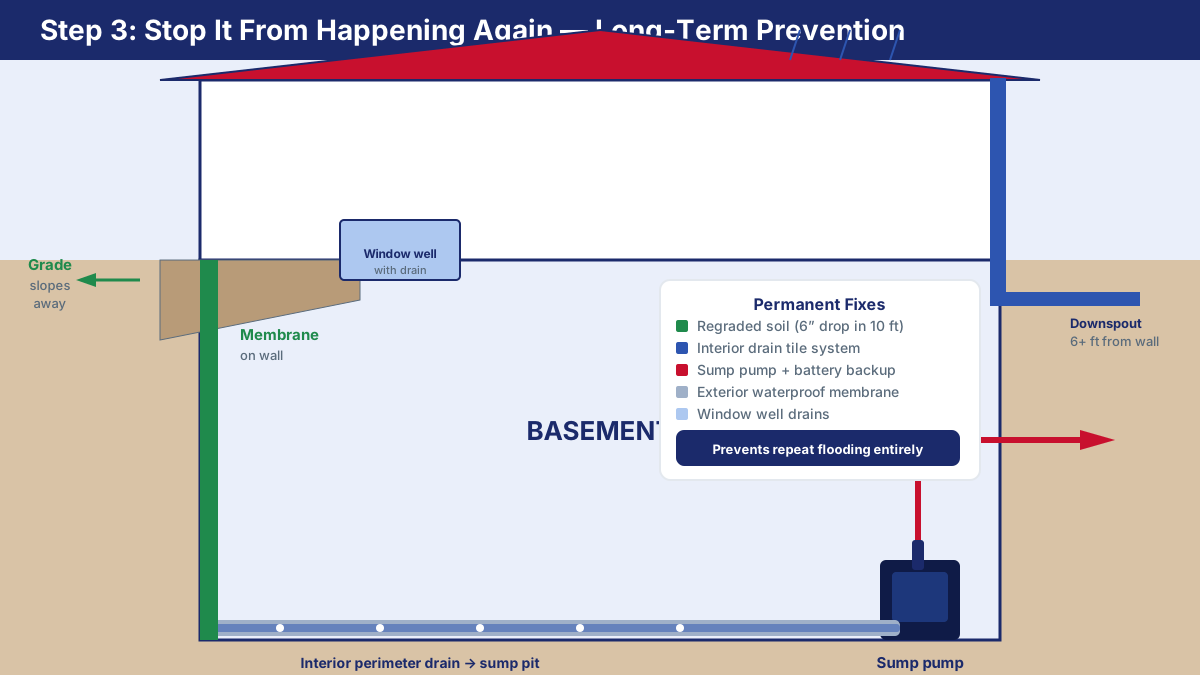
Common causes of a wet basement floor in Virginia homes and their fixes:
- Poor grading: Soil that slopes toward the house channels rain directly at the foundation wall. Regrade so the ground drops at least 6 inches over the first 10 feet away from the house.
- Gutter overflow or short downspouts: Clean gutters seasonally and extend downspouts at least 6 feet from the foundation using flex pipe or buried drain lines.
- Wall cracks: Horizontal and stair-step cracks let groundwater push through under hydrostatic pressure. Have a contractor inject them with epoxy or polyurethane, or install an interior drainage system to relieve the pressure.
- Failed sump pump: Test your pump by pouring water into the pit. If it doesn’t kick on, replace it. Add a battery backup pump so it works even during power outages — which often coincide with the storms that cause flooding.
- High water table: In low-lying areas of Virginia such as Hampton Roads and parts of the Northern Neck, the water table rises after heavy rain. An interior drain tile system with a sump pump is the permanent solution.
- Window wells: Poorly installed or clogged window wells trap water against the glass and eventually push it through. Install well covers and make sure each well has a gravel bed or drain at the bottom.
When to Call a Professional
Handle it yourself if the water was clean (rain, groundwater), the depth was modest, and the floor dried quickly with no visible mold or structural damage. Call a professional contractor or restoration company when:
- The flooding was caused by a sewage backup or contaminated source
- Standing water exceeded several inches and soaked walls and framing
- Mold is already visible or the smell of mildew is strong
- The source of the water is unclear or keeps returning
- Structural damage to walls, floors, or joists is suspected
Virginia homeowners should also check whether their homeowner’s insurance policy covers water damage — sudden flooding from an internal plumbing failure is usually covered, while gradual seepage from a foundation crack typically is not. Document everything with photos before removing water or damaged materials.
Submit a Job Request
Once you submit a job request, we’ll connect you with the ideal licensed contractor for your situation. They’ll reach out within 1–3 business days with a free, no-obligation estimate.
Submit Job RequestFrequently Asked Questions
How long does it take to dry a wet basement floor?
With a dehumidifier and fans running continuously, most basement floors are surface-dry in 24 hours and fully dry in 48–72 hours. Concrete slabs can hold moisture deeper than the surface, so use a moisture meter rather than touch to confirm.
Can I just use fans to dry a wet basement?
Fans alone move humid air around but don’t remove moisture from it. You need a dehumidifier working alongside the fans to actually extract the moisture from the air. Use both together for fastest results.
Should I open windows to dry a wet basement?
Open windows when outdoor humidity is lower than indoor humidity — typically on dry or breezy days. In Virginia’s humid summers, outdoor air is often more humid than the basement; in those conditions, keep windows closed and rely on the dehumidifier.
How do I know if the basement floor is fully dry?
Use a moisture meter — concrete reads dry below 4% moisture content. You can also tape plastic sheeting flat on the floor, seal all edges, and leave it 24 hours. If condensation forms on the underside, the slab is still releasing moisture.
When should I call a professional?
Call a professional if flooding was caused by sewage, water exceeded several inches, mold is visible, building materials are saturated, or the water source keeps returning. A licensed contractor can also diagnose and permanently fix the underlying cause.