
Basement waterproofing generally lasts anywhere from 10 to 30+ years, but its true lifespan depends entirely on the method used. Major systems like interior drains and exterior membranes can protect your home for decades, while smaller mechanical components — sump pumps, dehumidifiers, and surface coatings — require routine maintenance and occasional replacement to keep your basement dry.
What Is Basement Waterproofing?
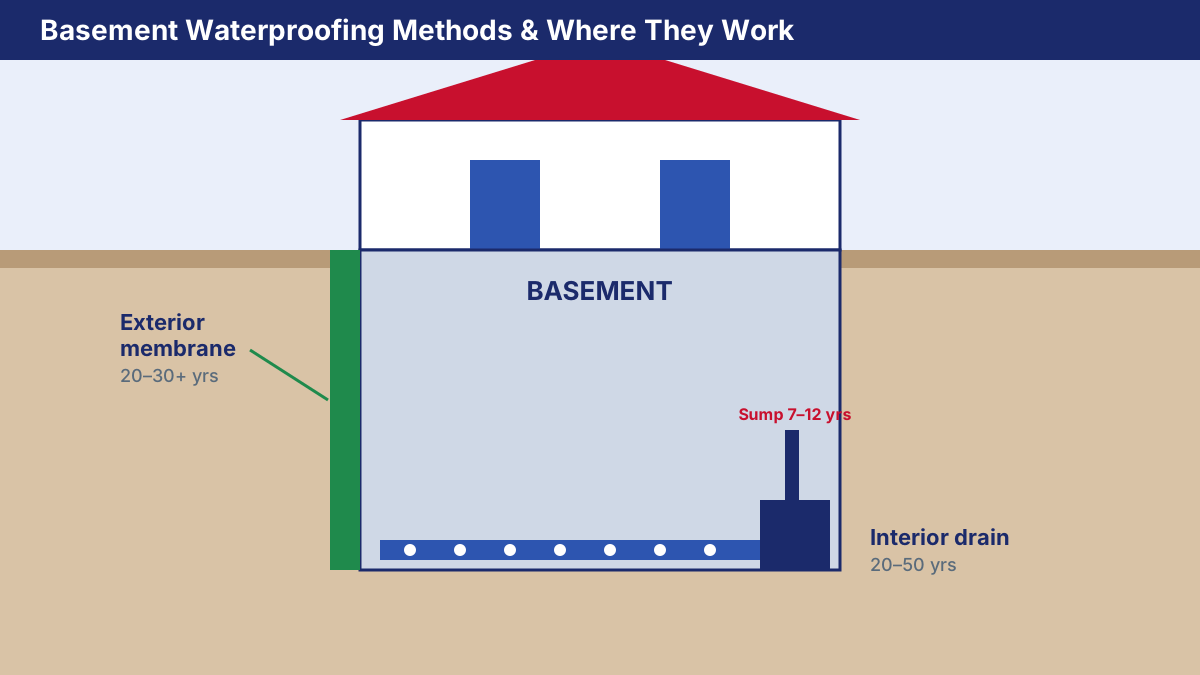
Basement waterproofing is a system — not a single product — designed to keep groundwater, surface runoff, and water vapor out of the lowest level of your home. Because water can attack a foundation from several directions at once, a complete waterproofing setup usually combines more than one method working together.
The main approaches fall into a few categories:
- Exterior waterproofing — membranes, coatings, and drainage board applied to the outside of the foundation wall to stop water before it ever touches the concrete.
- Interior drainage — sub-floor French drains and a sump pump that collect water that reaches the basement and channel it safely away.
- Sealing & barriers — crack injections, vapor barriers, and wall liners that block seepage and humidity through the walls and floor.
- Mechanical components — sump pumps and dehumidifiers that actively manage water and moisture levels over time.
Each of these components carries a different price tag, a different level of durability, and a different maintenance requirement — which is exactly why the answer to "how long does it last?" varies so widely.
How Long Does It Last?
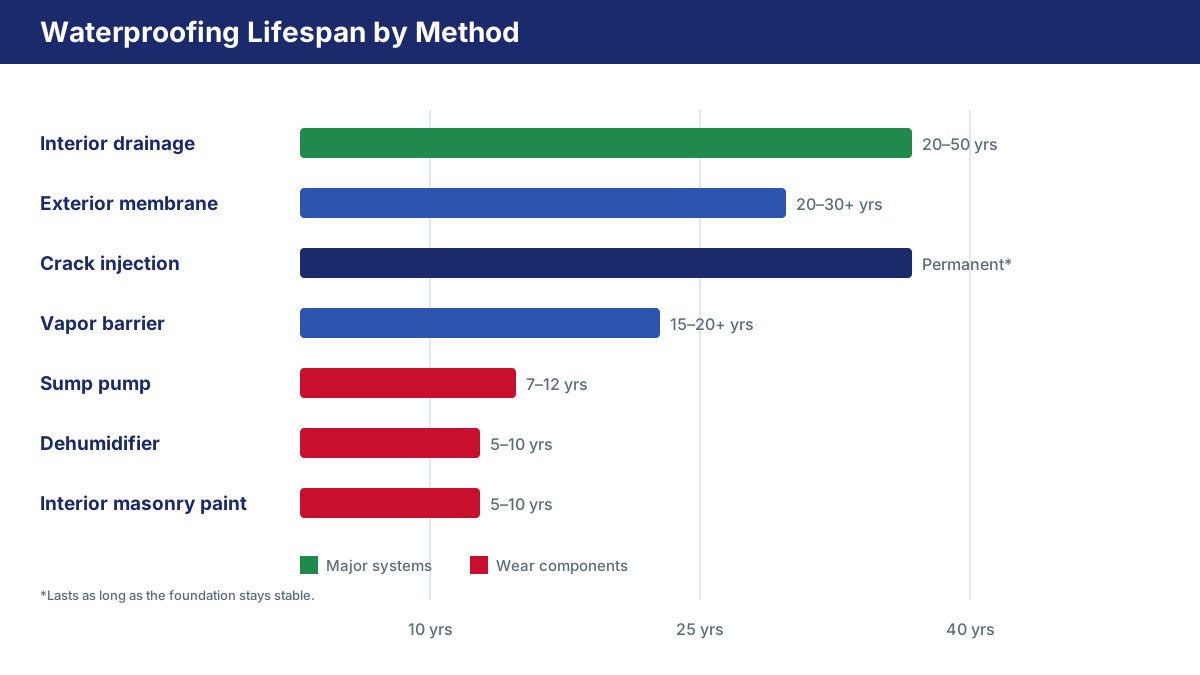
The longevity of your waterproofing varies widely depending on the type of system installed. Here is a realistic breakdown of how long each method and component lasts when professionally installed and reasonably maintained:
| Method / Component | Typical Lifespan | Why |
|---|---|---|
| Exterior waterproofing (membranes & coatings) | 20–30+ years | Prevents water from ever reaching the foundation walls. |
| Interior drainage (French drains) | 20–50 years | Highly durable as long as it stays free of debris and silt. |
| Vapor barriers & wall liners | 15–20+ years | Heavy-duty, professionally installed liners resist tearing and moisture. |
| Crack injections (polyurethane/epoxy) | Effectively permanent | Lasts as long as the foundation itself remains stable. |
| Interior masonry paints | 5–10 years | Wears down over time under hydrostatic pressure. |
| Sump pumps | 7–12 years | Mechanical parts wear out; require regular testing. |
| Dehumidifiers | 5–10 years | Standalone and whole-home units eventually need replacement. |
The pattern is clear: the structural, "install-it-once" elements — exterior membranes, interior drains, and crack injections — are what carry a basement for decades. The mechanical and surface-level components are the parts you should plan to service and replace along the way.
How to Extend the Lifespan of Your System
Most waterproofing systems fail early not because the materials wore out, but because routine upkeep was neglected. A few simple habits can add years — even decades — to your protection:
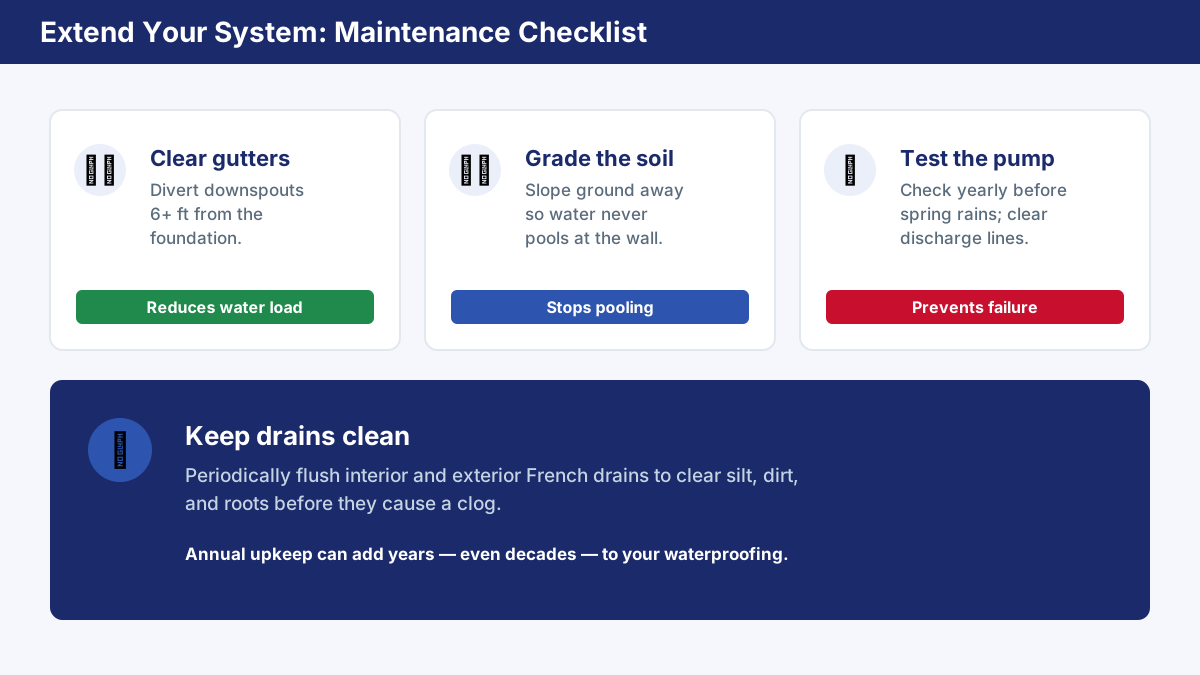
- Clear your gutters. Make sure downspouts divert rainwater at least 6 feet away from your home's foundation to reduce the workload on your waterproofing system.
- Maintain exterior grading. The soil around your home should slope away from the walls so water never pools against the foundation.
- Perform annual maintenance. Test your sump pump — especially before the spring rainy season — and confirm discharge lines are not clogged with debris or frozen shut in winter.
- Keep drains clean. If you have an interior or exterior French drain, flush it occasionally to prevent dirt and roots from causing clogs.
Basement Waterproofing at Dry Tech Waterproofing Solutions
Whether you are weighing a brand-new system or trying to squeeze more life out of an existing one, the smartest move is a professional inspection that diagnoses the actual source of the water before any work begins. A licensed contractor can tell you which components of your setup are nearing the end of their service life and which will keep performing for years to come.
Through our statewide directory, we connect Virginia homeowners with licensed, insured, and vetted basement waterproofing contractors — so you can compare estimates and choose the right system for your home with confidence. Dealing with musty smells, damp walls, or a sump pump that sounds like it is on its last leg? Those are exactly the symptoms a professional assessment is built to solve.
Submit a Job Request
Once you submit a job request, we'll connect you with the ideal licensed contractor for your situation. They'll reach out within 1–3 business days with a free, no-obligation estimate.
Submit Job Request