
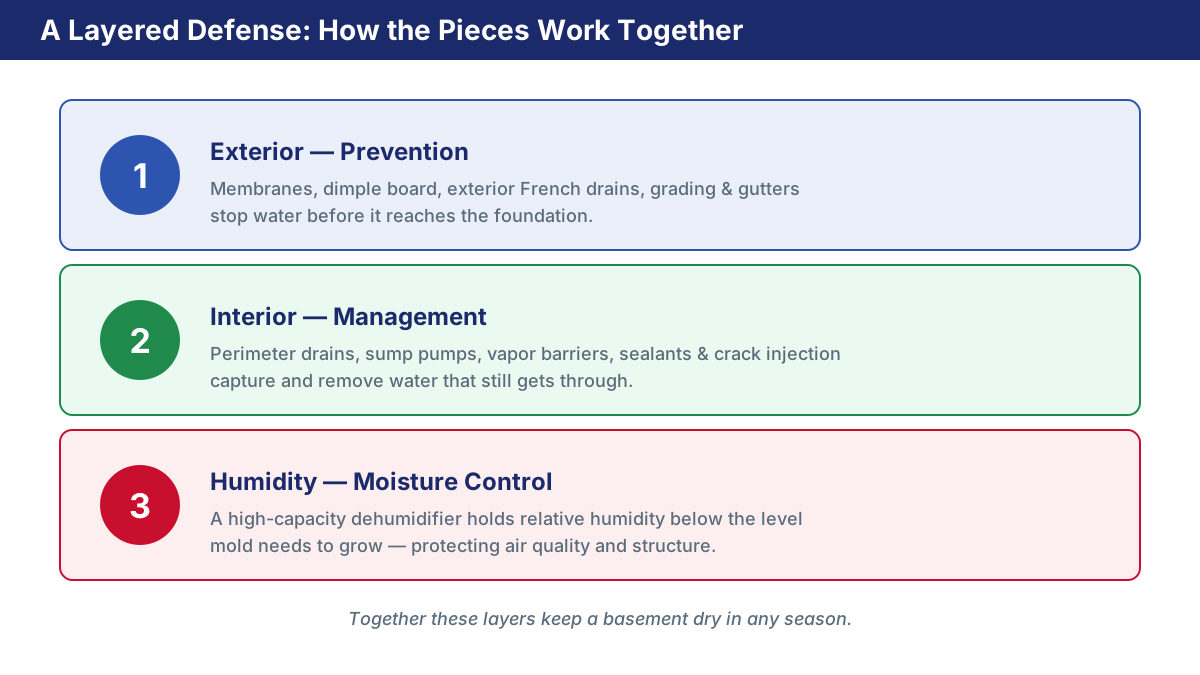
Basement waterproofing works by stopping, redirecting, or removing water before it can enter your home or cause structural damage. Rather than relying on any single product, an effective system layers exterior defenses that keep water from ever reaching the foundation with interior systems that manage and remove whatever moisture does seep through — plus humidity control to handle airborne moisture and condensation.
1. Exterior Waterproofing (Prevention)
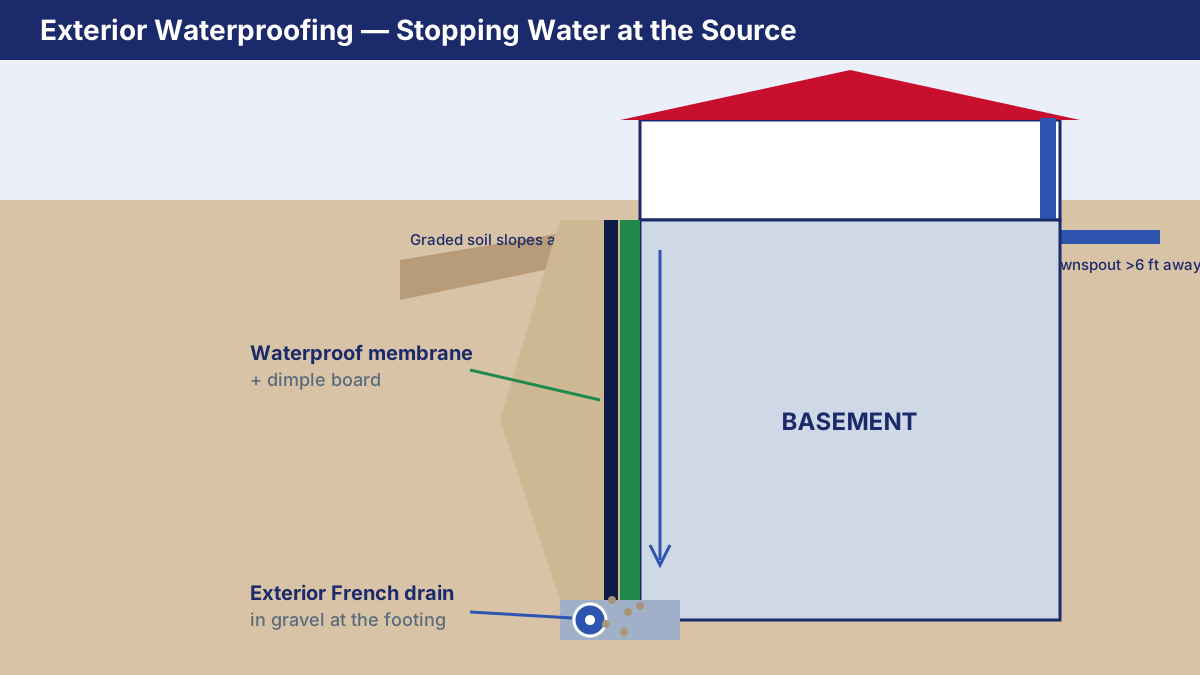
This proactive method stops water from ever touching your foundation walls and prevents the buildup of hydrostatic pressure — the force of water-saturated soil pushing against the concrete.
- Excavation & membranes: Contractors dig down to your foundation footings and apply a heavy-duty waterproof membrane, often paired with dimple board, which forces water to drain downward instead of into the wall.
- Exterior French drains: Perforated pipes are placed in gravel at the base of the foundation to collect groundwater and redirect it away from the home.
- Site grading & gutters: Simple fixes like extending downspouts away from the house and sloping the landscaping downhill ensure rainwater flows away from your foundation.
2. Interior Waterproofing (Management)
When exterior prevention isn't enough — or isn't feasible because of landscaping, decks, or neighboring structures — interior systems manage and remove water that has already penetrated the basement walls or floor.
- Interior drainage systems: A trench is cut around the inside perimeter of the concrete floor, and a perforated pipe (drain tile) is laid in gravel to collect water.
- Sump pumps: The perimeter channels feed into a pit where a heavy-duty submersible sump pump is installed. When water reaches a set level, the pump automatically pushes it out and away from the house.
- Vapor barriers: Plastic sheeting or wall panels are pinned to the interior walls. If water seeps through cinder blocks or cracks, the barrier directs it straight down into the interior drainage system.
- Sealants & crack injection: Epoxies and polyurethanes are injected directly into foundation cracks to seal them, while waterproof paints help slow general wall dampness.
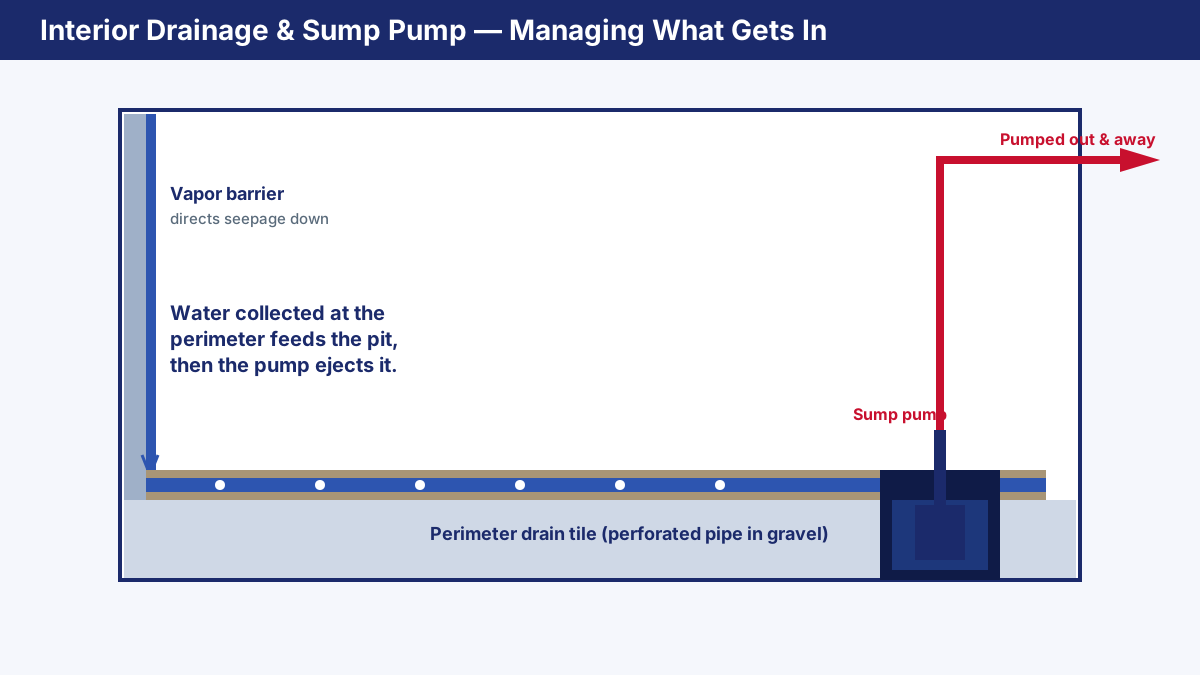
For a visual breakdown of how interior drainage channels and sump pumps work together to keep a basement dry, watch the short explainer below:
3. Humidity & Moisture Control
Basement waterproofing isn't only about liquid water — it also targets airborne moisture and condensation, which can fuel mold and musty odors even when there is no visible leak.
- Dehumidifiers: Running a high-capacity basement dehumidifier keeps the relative humidity below the threshold mold needs to grow (generally under 55%), protecting both your air quality and the wood and finishes in your basement.
Put together, these three layers — prevention outside, management inside, and humidity control throughout — are what keep a basement reliably dry through Virginia's heavy rains, high water tables, and humid summers. A professional inspection determines which combination your specific home actually needs.
Submit a Job Request
Once you submit a job request, we'll connect you with the ideal licensed contractor for your situation. They'll reach out within 1–3 business days with a free, no-obligation estimate.
Submit Job Request